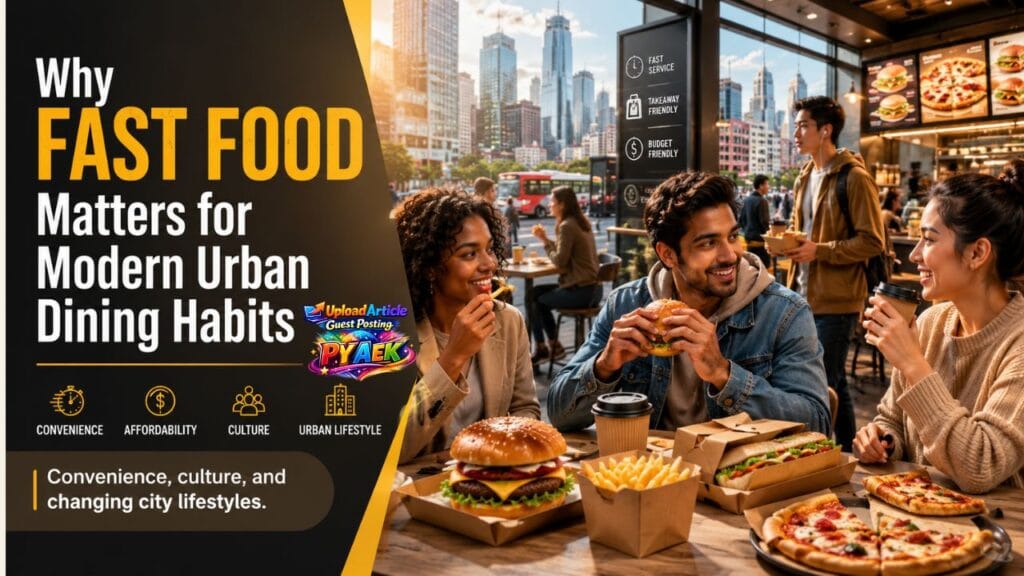
Fast food has become an inseparable part of our lives in urban communities. The individuals living in urban areas depend on fast food because they have few alternatives, which suit their busy schedule because of their hectic work schedule and lengthy working hours. Individuals are increasingly choosing fast foods because they provide them quickly, cheaply, and diversely. The popularity of fast food has been growing in various towns, particularly those known for Stockport food. Although conventional eating still has worth, fast food is now very important in influencing how people in cities eat and interact with one another.
Cheap Food Suitable for All Consumers
Affordable meals cater for the nutritional requirements of all customers. The reason why people prefer fast food restaurants is due to their affordability and provision of proper nutritional value. People living in urban settings must look for ways of acquiring large amounts of food at affordable prices. Fast food restaurants conduct their operations by selling meal packages. The affordability of fast food restaurants compared to other gourmet dining restaurants causes them to receive many customers.
Fast Food Evolves To Satisfy Consumer Demands
For their food preferences, modern consumers give flexibility and variety top priority. Fast food restaurants have changed along with these preferences by adding more items to their menus and introducing new flavours inspired by cuisines from around the world. Fast food restaurants nowadays provide consumers with everything from salads, wraps, burgers, pizzas, and plant-based meals. Many chains also provide healthier options to satisfy the increasing health consciousness of city consumers. Fast food has become more appealing since there is an option to customise food preferences. Consumers find it convenient to be served with meals that suit their health needs, schedule, and budget.
Technology Has Transformed Fast Food
The expansion of fast food in modern towns has been greatly affected by technology. The use of digital money and apps, as well as food delivery services, is making the whole process of having one’s food delivered faster. In this instance, the process of having the food delivered to you, either at your workplace or house, within a very short period of time, will be much easier, just because you have your mobile phone with you. The whole process of getting food will be very easy, especially for those who have busy schedules and cannot afford to go out. In addition, it will be easier for such customers to have their food processed and delivered through an automated service.
Socialising and Casual Food
The role of fast food restaurants in people’s lives goes beyond their role in food provision. This kind of establishment also acts as a place where people may meet their friends or families. It is typical for people living in cities to use the fast food restaurant as a meeting place for having meetings for short periods of time or even to celebrate something. It is due to the casual nature of these places and low prices, which make people feel comfortable there. This societal role helps fast food stay popular in contemporary urban society.
Fast Food Fuels Urban Economic Activity
The fast food industry also plays an important role in urban economies. Restaurants offer jobs for many individuals in areas such as cooking, deliveries, cash registers, and management. In addition, fast food restaurants create work opportunities for local businesses, carriers, and digital distributors. They serve as a catalyst for business within the environment of the city. Their flexible response to changing consumer demands makes them one of the major catalysts for economic growth within cities. Fast food enterprises will continue being key players in the urban economy and job market as the demands of consumers change.
Conclusion
Fast food plays an important role in the eating habits of urban consumers due to its convenience, affordability, variety, and accessibility. Fast food continues to be an efficient solution for many people with regard to their daily routine and urbanisation, with ongoing technological changes in people’s behaviour. Apart from offering fast services, it creates opportunities for communication and business within urban territories. Its continued appeal shows how dining patterns are changing to suit the speed and needs of contemporary metropolitan living.