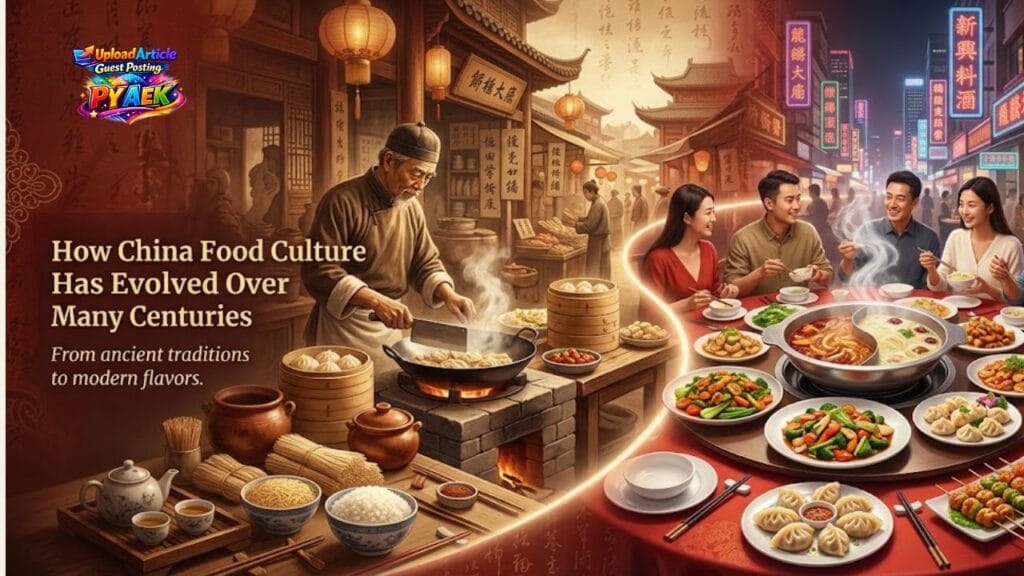
Chinese food culture is one of the oldest and most influential culinary traditions in the world. Developed over thousands of years, it reflects the country’s long history, regional diversity, social customs, and philosophical beliefs. Food in China has always been more than nourishment; it has played an important role in family life, celebrations, religion, and cultural identity.
Over many centuries, China food has evolved through dynastic changes, trade routes, migration, agricultural development, and foreign influences. Different regions introduced unique ingredients and cooking methods, while historical events shaped eating habits and food traditions. The result is a rich and varied culinary culture that continues to influence global cuisine today.
Early Agricultural Foundations
The origins of China food culture can be traced back to ancient agricultural societies. Early communities cultivated crops such as millet and rice, which became staple foods in different parts of the country. Northern regions relied more on wheat and millet, while southern areas focused heavily on rice farming due to favourable climate conditions.
Agriculture shaped not only the Chinese diet but also social organisation and settlement patterns. Farming communities developed methods of preserving food and managing seasonal resources. These early agricultural practices laid the foundation for the development of traditional Chinese cuisine. Chinese munch boxes Stockport offers a delicious mix of popular Chinese takeaway favourites in one convenient meal.
Influence of Ancient Dynasties
Chinese dynasties played a major role in shaping food culture throughout history. During periods such as the Han and Tang dynasties, culinary techniques became more advanced, and food preparation grew increasingly sophisticated. Royal courts encouraged the creation of refined dishes and elaborate dining customs.
Different dynasties also introduced new ingredients and eating habits through political expansion and cultural exchange. Imperial banquets, tea culture, and regional specialities became important aspects of society. Food gradually became a symbol of status, hospitality, and artistic expression.
Regional Diversity in Cuisine
China’s vast geography contributed to the development of highly diverse regional cuisines. Climate, local ingredients, and cultural traditions influenced how food was prepared in different provinces. This led to the emergence of famous culinary styles such as Sichuan, Cantonese, Shandong, and Jiangsu cuisine.
Each regional cuisine developed unique flavours, cooking techniques, and ingredients. Some regions became known for spicy dishes, while others specialised in seafood or delicate flavours. This diversity remains one of the defining characteristics of Chinese food culture today.
Philosophical and Religious Influences
China food culture has also been shaped by philosophical and religious beliefs over many centuries. Confucianism emphasised harmony, etiquette, and balanced meals, influencing dining traditions and social behaviour around food. Taoist beliefs encouraged balance between ingredients and natural health practices.
Buddhism introduced vegetarian cooking traditions and influenced attitudes towards simplicity and mindfulness in eating. Concepts such as yin and yang also became important in balancing flavours and nutritional qualities. These ideas continue to influence Chinese cooking and dietary habits.
Development of Cooking Techniques
Over time, China food developed a wide range of cooking techniques that became highly respected worldwide. Stir-frying, steaming, braising, roasting, and deep-frying evolved as practical and efficient methods of preparing food. These techniques allowed ingredients to retain flavour and texture.
Chinese chefs also became skilled in knife techniques, seasoning, and presentation. Cooking methods were often adapted according to region and available resources. This technical refinement contributed greatly to the sophistication of Chinese culinary traditions.
Impact of Trade and the Silk Road
Trade routes such as the Silk Road had a significant influence on the evolution of Chinese food culture. Through trade, China gained access to new spices, fruits, vegetables, and cooking ingredients from other regions. These foreign influences gradually became integrated into local cuisine.
At the same time, Chinese culinary practices spread to neighbouring countries and beyond. Tea, noodles, and cooking techniques influenced many Asian cuisines. Cultural exchange through trade played a key role in expanding and diversifying Chinese food traditions.
Role of Food in Social and Family Life
Food has always held deep social importance within Chinese culture. Shared meals are considered essential for strengthening family bonds and maintaining social harmony. Traditional dining customs encourage collective eating and emphasise respect for elders and guests.
Festivals and celebrations are also closely connected to food traditions. Dishes such as dumplings, mooncakes, and longevity noodles carry symbolic meanings linked to prosperity, unity, and good fortune. These customs continue to shape Chinese family life and cultural identity.
Influence of Modernisation and Globalisation
Modernisation has significantly transformed Chinese food culture in recent decades. Urbanisation, international trade, and changing lifestyles introduced fast food, global cuisines, and modern dining habits into Chinese society. Younger generations now experience a mix of traditional and contemporary food influences.
At the same time, Chinese cuisine has become increasingly popular worldwide. Restaurants serving Chinese food can be found across many countries, leading to global recognition of traditional dishes. Globalisation has both preserved and adapted Chinese culinary culture for modern audiences.
Preservation of Traditional Food Practices
Despite modern influences, many traditional China food practices remain highly valued. Families continue to prepare traditional dishes during festivals and important celebrations. Regional cooking methods and recipes are often passed down through generations.
Efforts are also being made to preserve historical culinary techniques and local food heritage. Cultural organisations and chefs work to maintain traditional flavours and cooking styles. This preservation helps protect an important part of China’s cultural history.
Conclusion
China food culture has evolved over many centuries through agriculture, dynastic influence, philosophy, trade, and regional diversity. Its development reflects the country’s long and complex history while showcasing remarkable culinary creativity and adaptability. Food remains deeply connected to Chinese identity, family traditions, and cultural values.
Today, Chinese cuisine continues to influence global food culture while maintaining strong connections to its historical roots. The balance between preserving tradition and embracing modern change has allowed Chinese food culture to remain vibrant and respected around the world.