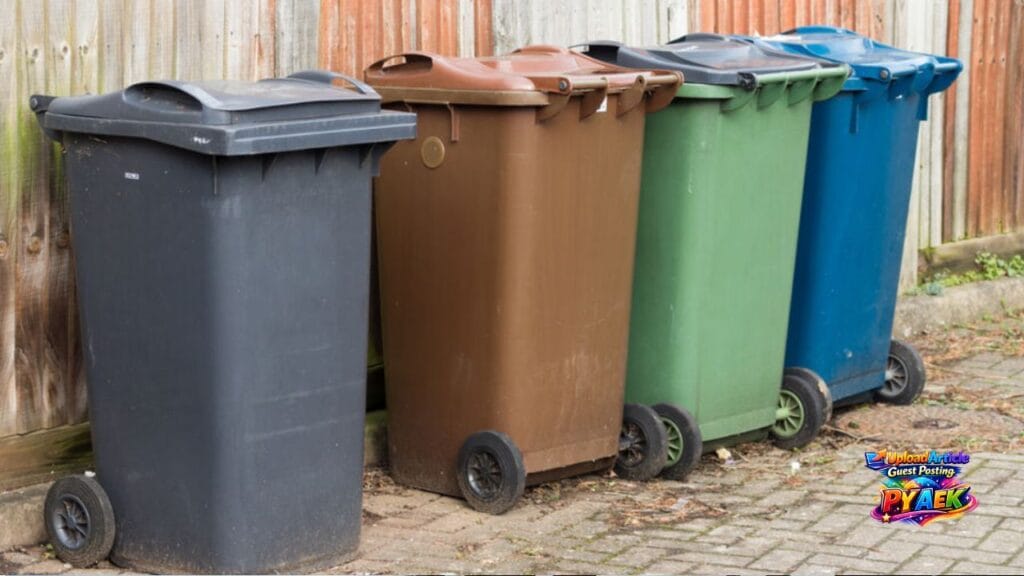
Small rubbish skip bins are a practical and convenient solution for managing waste from household clear-outs, garden projects, minor renovations and everyday cleaning tasks. They are widely used across the UK because they provide an easy way to dispose of unwanted materials without requiring multiple trips to recycling centres or waste disposal facilities. Their compact size makes them especially suitable for homes with limited outdoor space.
Understanding what can be placed inside a small rubbish skip bin is important for both safety and proper waste management. Different skip hire companies may have specific rules regarding acceptable materials, and following these guidelines helps ensure responsible disposal and recycling. Knowing which items are suitable can help households and businesses use skip bins more effectively and avoid unnecessary problems.
Household General Waste
One of the most common uses for a small rubbish skip bin is disposing of general household waste. Items such as old toys, broken decorations, worn-out clothing, packaging materials, and unwanted household objects can usually be placed inside the skip. These materials often accumulate during home clear-outs and decluttering projects.
Small skip provides a convenient solution for removing unwanted items quickly and efficiently. Instead of storing unnecessary rubbish around the property, households can clear space more easily. Proper disposal also helps maintain cleaner and more organised living environments.
Old Furniture and Small Household Items
Small rubbish skip bins are often suitable for disposing of smaller pieces of furniture and household items. Chairs, bedside tables, shelves, stools, and damaged flat-pack furniture can usually fit comfortably inside these skips. These items commonly become waste during home improvements or relocations.
Broken furniture can take up significant space inside homes or garages if not removed promptly. Skip bins provide an easy way to manage these bulky objects without arranging separate collections. This simplifies household waste removal considerably.
Garden Waste and Green Materials
Garden waste is another material commonly accepted in small rubbish skip bins. Grass cuttings, leaves, weeds, branches, hedge trimmings, and dead plants can usually be disposed of safely in these containers. Garden maintenance often creates more waste than standard household bins can manage.
Using a skip bin for green waste helps keep outdoor spaces tidy and manageable during landscaping or seasonal clean-up projects. Many skip companies also recycle garden waste into compost or other environmentally friendly products. This supports more sustainable waste disposal practices.
Cardboard and Packaging Materials
Cardboard boxes, paper packaging, and plastic wrapping are frequently placed in small skip bins during house moves, online shopping clear-outs, or office cleaning projects. These materials can quickly build up and become difficult to manage using ordinary household waste bins.
A small skip provides extra capacity for disposing of large amounts of packaging waste efficiently. Flattened cardboard and sorted materials can often be recycled after collection. Proper disposal helps reduce clutter and supports recycling efforts.
Wood and Timber Waste
Small amounts of wood and timber waste are generally acceptable in many rubbish skip bins. Broken fence panels, wooden shelves, pallets, small planks, and unused timber offcuts from DIY projects are common examples. These materials are often produced during minor renovation work.
Wood waste can become difficult to store safely around the property due to sharp edges or splinters. A skip offers a practical disposal option while helping maintain safer surroundings. Some wood materials may also be recycled after collection.
Small Construction and Renovation Waste
Minor building and renovation projects often create waste materials suitable for small skip bins. Items such as plasterboard, tiles, bricks, rubble, concrete pieces, and old flooring may be accepted in limited amounts depending on skip regulations. These materials commonly result from bathroom or kitchen updates.
Using a skip bin helps homeowners manage renovation debris more safely and efficiently. It keeps work areas cleaner and reduces the risk of accidents caused by scattered waste materials. Professional disposal services simplify home improvement projects.
Metal and Scrap Materials
Certain metal and scrap materials can also be placed in small rubbish skip bins. Old pipes, metal shelving, broken tools, and small household appliances are examples of items commonly accepted. Metal waste is often generated during repairs or home maintenance.
Many skip companies separate recyclable metals during waste processing. This helps reduce landfill use and supports sustainable recycling systems. Proper disposal of metal materials contributes to more environmentally responsible waste management.
Items Usually Not Allowed in Small Skip Bins
While small rubbish skip bins accept many types of waste, some materials are usually prohibited due to safety and environmental regulations. Hazardous waste such as chemicals, paint, asbestos, batteries, gas cylinders, and medical waste often require specialised disposal methods. Electrical items may also have separate recycling requirements.
Placing prohibited materials inside a skip can create safety risks and lead to additional charges. It is important to check skip company guidelines before disposing of unusual items. Following regulations ensures safe and legal waste management practices.
Benefits of Using a Small Rubbish Skip Bin
Small rubbish skip bins provide several practical advantages for households and businesses. Their compact size makes them suitable for smaller properties, while still offering enough capacity for many types of waste removal projects. They also reduce the need for repeated journeys to disposal facilities.
Skip bins improve convenience, save time, and help maintain cleaner environments during clear-outs or renovations. Professional collection services further simplify the process by handling waste transportation and disposal responsibly. These benefits make small skips a highly practical waste management solution.
Conclusion
Small rubbish skip bins are a convenient and efficient option for disposing of many types of waste, including household rubbish, garden waste, packaging materials, wood, and small renovation debris. Their versatility makes them useful for home clear-outs, DIY projects, and general property maintenance across the UK.
Understanding what can and cannot be placed inside a skip bin helps ensure safe, responsible, and environmentally friendly waste disposal. By using small rubbish skip bins correctly, households and businesses can manage waste more effectively while maintaining cleaner and more organised spaces.