Your check engine light just came on. You feel that familiar sinking feeling in your stomach. What’s wrong with your car this time? Is it something simple or will it drain your bank account? Modern vehicles have become incredibly complex machines with thousands of parts working together. When something goes wrong, figuring out the problem requires a systematic approach that mechanics call engine diagnostics. The automotive diagnostics market was valued at 27.5 billion dollars in 2024 and experts predict it will reach 59.2 billion by 2030. This massive growth shows how crucial proper diagnostic work has become in today’s car accident repair industry.
Why Proper Diagnostics Matter
Think about going to a doctor who prescribes medication without examining you first. Sounds crazy, right? Yet many people expect mechanics to fix their cars without proper diagnosis. According to automotive service associations, more than 65% of repair workshops now use standardized diagnostic procedures, which has reduced repair errors by over 20%. Your car’s computer system monitors hundreds of sensors constantly. When something malfunctions, it stores error codes that point technicians toward the problem area. However, these codes don’t tell the whole story.
Step 1: Verify the Problem
Before touching any tools or equipment, mechanics need to confirm what’s actually wrong. This means talking to you about what happened. When did the problem start? Does it happen when the engine is cold or warm? Have you noticed any strange sounds, smells, or performance issues? These details matter more than you might think. Many car repair shops skip this crucial step and jump straight to scanning codes. That’s a mistake. Your observations about how the vehicle behaves provide context that a computer can’t give. A study from the automotive repair industry shows that proper problem verification prevents misdiagnosis in approximately 30% of cases.
Step 2: Visual Inspection Comes First
After understanding the complaint, experienced mechanics perform a thorough visual check. They’re looking for obvious problems that don’t need fancy equipment to spot. Loose or damaged wires, fluid leaks, worn belts, cracked hoses, or disconnected components often cause issues that trigger warning lights. This inspection includes checking fluid levels and their condition. Oil that looks like chocolate milk indicates water contamination. Coolant that’s rusty shows neglected maintenance. Sometimes the fix is as simple as tightening a loose gas cap or replacing a cracked vacuum line. Spending five minutes on visual inspection can save hours of unnecessary diagnostic work.
Step 3: Car Repair and Code Reading
Now comes the part most people think of when they hear about diagnostics. The mechanic connects a scan tool to your vehicle’s OBD-II port, usually located under the dashboard. This tool communicates with your car’s computer to retrieve stored error codes. These codes follow a standard format like P0301 which indicates a specific cylinder misfire. However, reading codes is just scratching the surface. Professional car repair technicians know that codes are starting points, not final answers. The scan tool also pulls live data from sensors showing real-time engine performance.
Step 4: Physical Testing and Verification
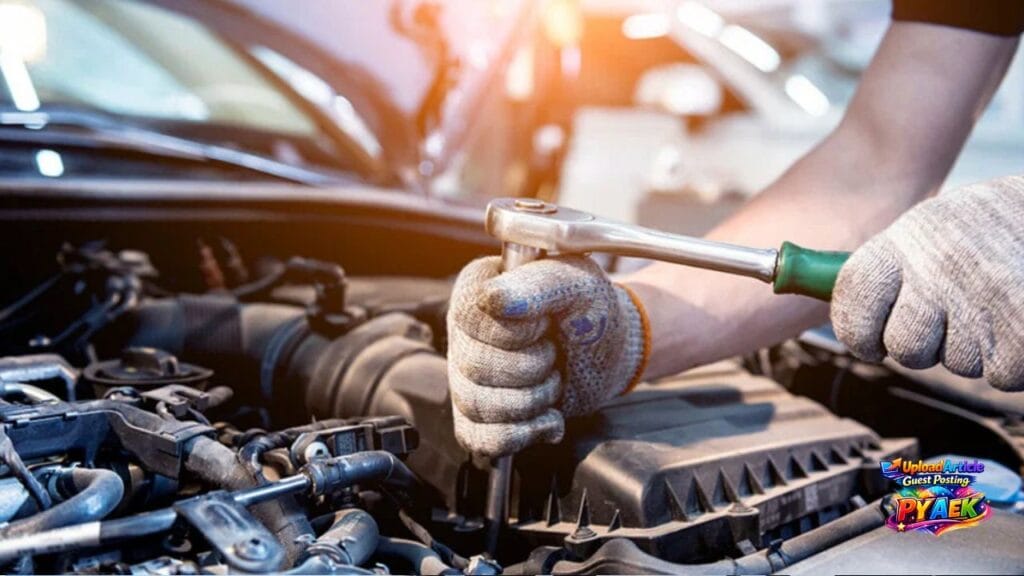
After gathering electronic data, it’s time for hands-on testing. This is where car repair work combines technology with mechanical skills. If codes point to an ignition problem, the mechanic will test spark plugs, ignition coils, and related components using specialized tools. Compression tests reveal engine health by measuring cylinder pressure. Fuel pressure gauges verify that the fuel pump delivers adequate pressure. Multimeters check electrical circuits for proper voltage and resistance.
Step 5: Compare and Analyze Results
Good diagnostics require looking at the whole picture. Mechanics compare readings from similar components to identify abnormalities. If one cylinder shows lower compression than the others, that pinpoints where the problem exists. If one oxygen sensor reads differently than its partner, that sensor probably needs replacement. This step also involves checking technical service bulletins. Manufacturers issue these bulletins when they discover common problems affecting specific models. A TSB might reveal that your exact year and model has a known issue with a particular sensor or component. Checking these bulletins prevents wasting time and money on unnecessary repairs.
Step 6: Verify the Fix Works
After making repairs, quality car repair facilities don’t just hand back your keys. They verify that the fix actually solved the problem. This means test driving the vehicle under conditions that triggered the original complaint. If the issue happens during acceleration, they’ll test it during acceleration. If it is cold, they’ll let the engine cool and start it again. The scan tool gets connected again to confirm no codes have returned and all systems show normal operation. Many vehicles require a drive cycle to run self-tests and verify everything works properly. This might involve driving at specific speeds for certain distances or operating the vehicle under particular conditions.
What Makes Modern Diagnostics Different
Today’s vehicles are essentially computers on wheels. Electric vehicles have added another layer of complexity that requires specialized training and equipment. Independent repair shops are investing an average of 50,000 dollars in new diagnostic tools just to service EVs properly. The automotive repair industry is spending millions training technicians on these new technologies. The shift toward connected cars means vehicles can now report problems remotely. Some manufacturers monitor your car’s health through wireless connections and alert you about potential issues before they cause breakdowns.
Final Words
Proper engine diagnostics isn’t about plugging in a code reader and guessing at solutions. It requires a systematic approach that combines technology, mechanical knowledge, and experience. The six steps outlined here represent industry best practices that separate professional car repair from guesswork. When your check engine light comes on, you deserve an accurate diagnosis that identifies the real problem the first time. Understanding how proper diagnostics work helps you recognize quality service and avoid shops that take shortcuts.