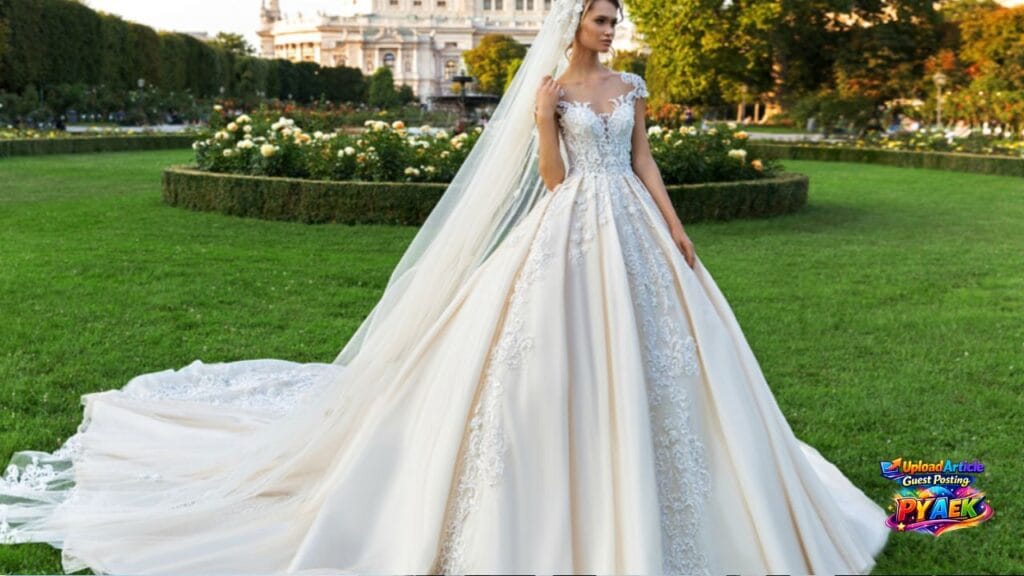
Choosing a wedding dress is one of the biggest decisions a bride makes. Not too big, not too small it has to feel just right for the body, the venue, and the heart. Whether you are planning a church ceremony in Yorkshire, a countryside barn wedding in Surrey, or a vibrant multicultural celebration in Birmingham, the right dress changes everything. These seven tips will help you make a confident, informed choice.
Start Earlier Than You Think
According to bridal stylists at Opus Couture UK, most brides find their dress around nine to twelve months before the wedding. This allows enough time for production, delivery, and alterations especially when a gown is made to order. Many designers need four to six months just to complete a dress. Add fittings on top of that, and you can see why starting early matters. If you leave it too late, your choices narrow. You may be stuck with off-the-rack options or rushing through fittings. Give yourself the gift of time.
Know Your Body Shape Before You Shop
A-line wedding dress is one of the most universally flattering options because it fits through the bodice and gently flares from the waist working well for almost every figure. Mermaid styles work beautifully for hourglass shapes, while empire waist gowns suit brides who want a flowy, comfortable look. Petite brides benefit from high-waisted designs that elongate the legs. Do not walk into a boutique without at least a basic idea of what shapes tend to suit you. It saves time and reduces overwhelm.
Understand the Role of Cultural Style
This is especially true for South Asian brides. Pakistani wedding dresses, for example, represent a rich tradition of intricate embroidery, luxurious fabrics like chiffon and silk, and vibrant colours such as red, maroon, and gold. A 2024 report by Hoorain Designer Wear noted that styles like lehenga choli, Anarkali suits, and embellished shalwar kameez remain the most popular choices among Pakistani brides in the UK blending cultural heritage with modern elegance. Knowing which ceremony each outfit is for helps you budget, plan, and style each look more intentionally.
Choose Fabric That Matches the Season and Venue
A wedding dress that looks stunning in photos but leaves you sweating through the ceremony is not the right dress. Fabric matters more than most brides realise. For summer outdoor weddings or garden ceremonies, lightweight fabrics like chiffon and organza allow movement and breathability. For a winter church wedding, heavier materials like satin or velvet add warmth and a richer visual texture. Lace remains a timeless choice across seasons. In 2025, bridal designers are leaning toward softer, matte lace finishes with botanical patterns creating a natural, romantic feel that photographs beautifully in British outdoor settings.
Budget Beyond the Dress Itself
A common mistake is allocating the entire dress budget to the gown and forgetting everything else. Alterations, accessories, a veil, shoes these costs add up quickly. Bridal stylists at Evelie UK suggest that the average bride spends around £2,000 total: roughly £1,400 on the dress, £450 on alterations, and £150 on a veil. These are realistic numbers to plan around. Nearly every wedding dress needs some level of alteration to fit perfectly. Bridal sizing is different from high street sizing. Do not be surprised if the size you order looks nothing like your usual size on the tag. Trust the fit, not the number.
Use Accessories to Complete the Look
For a minimalist wedding dress with clean lines, bold statement earrings or a striking headpiece can add personality without overwhelming the silhouette. For heavily embellished gowns, less is more. A simple pearl drop earring or a delicate bracelet keeps the focus on the craftsmanship of the dress itself. Think about your veil carefully too. A cathedral-length veil adds drama and works well in formal venues.
Trust the Process and the Stylist
Many brides come into boutiques with a fixed idea of what they want and leave in something completely unexpected and love it. Research from The Knot’s 2025 Real Weddings Study confirmed that the majority of brides require some level of tailoring regardless of where they bought their dress. This means fit, more than style, is ultimately what makes a wedding dress feel truly yours. A good bridal stylist listens first. They ask about your venue, your comfort zone, your wedding theme. They then guide you toward options that make sense for you, not just what looks good on a hanger.
Final Words
Finding the right wedding dress in the UK is both a personal journey and a practical process. It requires time, self-awareness, a realistic budget, and a willingness to be open. Whether you are drawn to a flowing white gown, an embroidered lehenga, or something entirely unexpected, the tips above give you a clear path forward. Start early, know your shape, respect your culture, pick the right fabric, plan your budget, choose accessories with intention, and trust the professionals guiding you. When everything comes together, the dress does not just fit your body it fits your whole day.